


The Future is Now: Technology in Spatial Design
This is part of our Spatial Design blog series, where we explore the magic behind creating immersive environments. Stay with us as we delve deeper into the world of spatial design!
Technology has always been a driving force in spatial design, but in recent years, it has completely transformed the field. Technological advancements like augmented reality (AR), virtual reality (VR), advanced lighting, and projection systems are redefining what’s possible. They are pushing the boundaries of how we experience spaces.
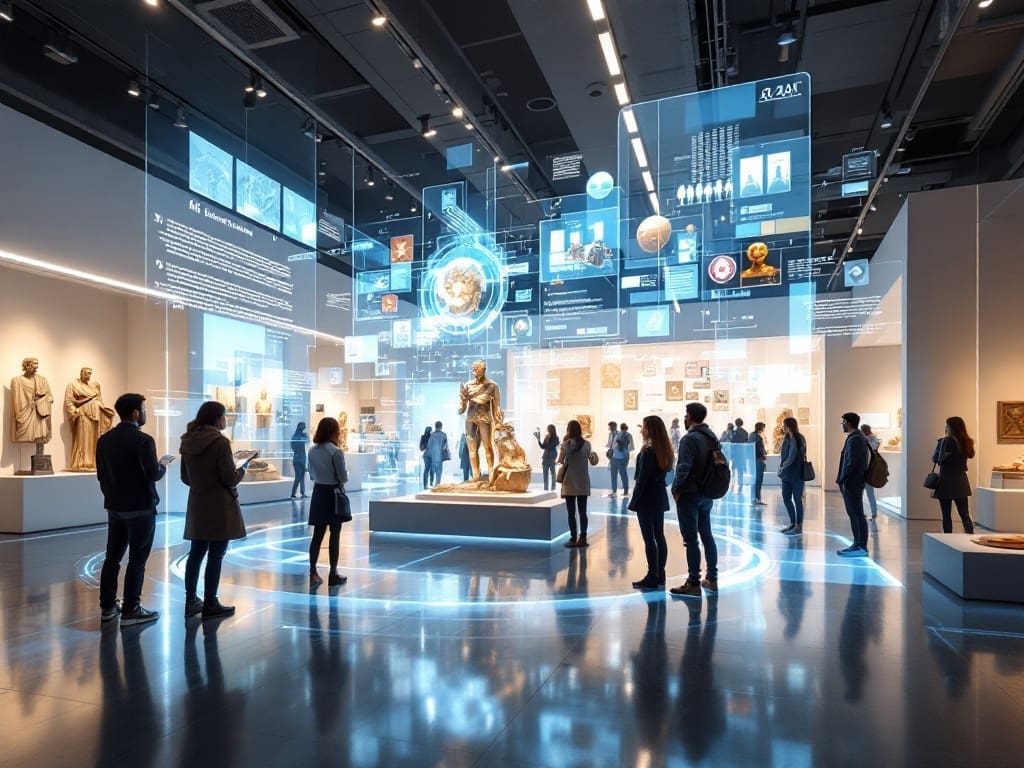
One of the most exciting developments is the integration of AR and VR into spatial design. AR overlays digital information onto the real world, adding layers of context and interaction that enhance the physical environment. Imagine walking through a historic site where, using an AR device, you can see how the space looked centuries ago. Imagine visiting a museum where AR brings exhibits to life. It allows you to interact with artefacts in ways that were previously impossible.

VR, on the other hand, takes immersion to the next level by creating entirely digital environments. These virtual spaces allow people to explore and interact with worlds that don’t physically exist. They offer opportunities for storytelling and engagement. These opportunities are limited only by the designer’s imagination. Together, AR and VR are opening up new possibilities for spatial design. They blend the physical and digital worlds. This blending creates experiences that are more immersive, interactive, and engaging than ever before.
One of the most striking examples of technology-driven spatial design is The Sphere in Las Vegas. This state-of-the-art venue pushes the limits of what’s possible. It features 16K resolution screens, spatial sound systems, and advanced LED technology. The Sphere’s interior is a marvel of design and engineering, creating an environment that feels almost otherworldly. When the interior screen is activated, visitors are completely enveloped in a visual and auditory experience that blurs the line between reality and illusion. It’s a perfect example of using technology to build spaces that are not only impressive. These spaces are truly transformative.

Projection mapping is another game-changer in spatial design. This technology allows designers to turn any surface—walls, floors, ceilings—into a dynamic canvas for storytelling. By projecting images, videos, or animations onto these surfaces, designers can create visually stunning effects that captivate and immerse audiences. Projection mapping has been used in everything from theme park attractions to live performances. Its potential applications are virtually limitless.

Advanced lighting systems also play a crucial role in modern spatial design. These systems allow designers to create dynamic environments. The environments can change in real-time. They respond to the needs of the space or the preferences of the audience. For example, lighting can guide visitors through a space. It can highlight key elements of a design. It can also create a specific mood or atmosphere. When these systems are combined with other technologies like projection mapping, the environment feels alive. It is constantly evolving to enhance the experience.
But technology isn’t just about creating flashy effects—it’s also about improving accessibility and sustainability in spatial design. For example, interactive wayfinding systems can help people navigate complex spaces more easily. Energy-efficient lighting and smart building systems can reduce the environmental impact of a design. These advancements show that technology isn’t just transforming how spaces look. It’s also transforming how they feel. Furthermore, it’s changing how they function and impact the world around them.
As technology continues to evolve, the possibilities for spatial design are endless. From AR and VR to projection mapping and advanced lighting, these tools are giving designers the ability to create spaces that are more immersive, engaging, and meaningful than ever before. But at its core, spatial design is still about one thing: connecting with people. Technology may change the tools we use. However, the goal remains the same. We strive to create environments that inspire, engage, and leave lasting impressions.
This marks the final post in our Spatial Design series. We hope you’ve enjoyed exploring the magic of spatial design with us. You’ve seen its role in theme parks and museums. You’ve also learned about the cutting-edge technology shaping its future. Want to learn more about how we bring these spaces to life? Visit us at www.bluealchemylabs.com.