


Theme Parks and the Art of Immersion
This is part of our Spatial Design blog series, where we explore the magic behind creating immersive environments. Stay with us as we delve deeper into the world of spatial design!
Theme parks are the ultimate playground for spatial design. They are environments where creativity, technology, and storytelling collide to create unforgettable experiences. From the moment you step through the gates, you’re no longer in your everyday life. You’re in a fairy tale kingdom, a prehistoric jungle, or a galaxy far, far away. This seamless transition is due to meticulous spatial design. Every detail collaborates to immerse guests in a world of wonder.
At the heart of every theme park is storytelling. Each area within the park has its own narrative. The spatial design ensures that every detail—from the architecture to the soundscapes—supports and enhances that story. For example, Main Street, U.S.A., in Disney parks isn’t just a pathway to the attractions. It’s a living, breathing journey back in time. It represents early 20th-century small-town America. Every element, from the period-appropriate architecture to the carefully chosen foliage, is designed to take you to a specific era. They create the illusion of a particular place.
The magic of spatial design lies in its ability to make the fantastical feel real. Take forced perspective, for example. This is a clever optical illusion. It is used throughout theme parks to make structures appear larger. It makes them seem more grandiose than they really are. Cinderella’s Castle at Walt Disney World is a masterclass in this technique. Although it stands at just 189 feet, the way the upper levels are scaled down makes it appear much taller. This illusion adds to its grandeur and sense of awe.

Another brilliant technique is the berm, a raised wall of dirt that encircles the park. This feature serves as a visual and auditory barrier, isolating the immersive environment from the outside world. It’s a simple yet ingenious way to preserve the illusion of magic and wonder. Creative solutions include dense trees and lush vegetation. These are often used to reinforce this barrier. This ensures that guests stay fully immersed in the world of the park.
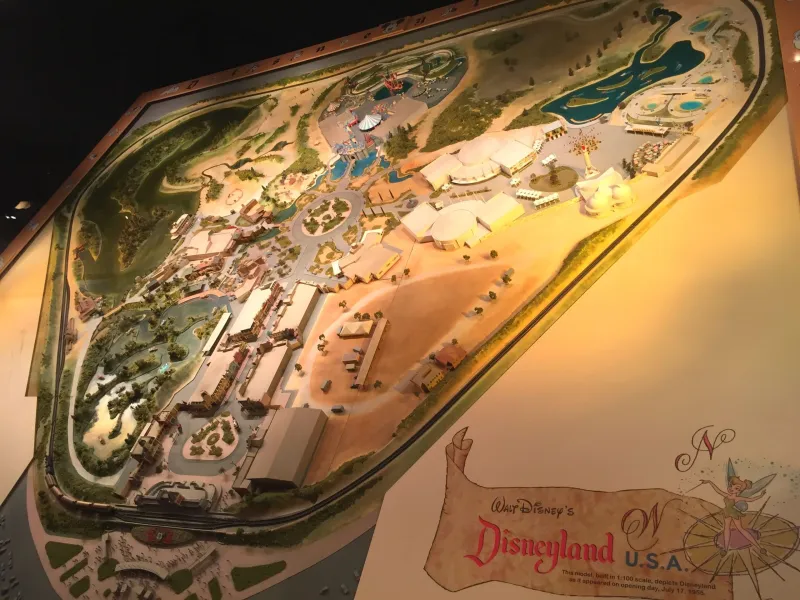
But spatial design in theme parks isn’t just about visual tricks—it’s also about creating intuitive navigation and flow. Guests should feel like they’re constantly discovering something new, but they should never feel lost. Walt Disney’s original hub-and-spoke layout for Disneyland is a perfect example of this. Inspired by the street designs of Washington D.C. and Paris, it allows guests to intuitively move between themed lands while maintaining a sense of discovery and surprise.
Modern technology has taken spatial design in theme parks to the next level. Smartphone apps now play a crucial role in enhancing the guest experience. These apps give real-time updates on ride wait times, show schedules, and dining options, allowing visitors to optimise their day. They also allow theme parks to collect valuable visitor flow data. Parks can use this information to adjust operations and improve the overall experience.
Theming is another cornerstone of spatial design in theme parks. Every element, from the colour palette to the textures, plays a role in creating a cohesive experience. For instance, the streets of Adventureland are designed to feel chaotic and bustling. Tomorrowland’s clean lines and futuristic materials create a sense of order and innovation. These subtle differences help guests feel fully immersed in each unique world.
Queue lines, often overlooked by visitors, are another area where spatial design shines. They’re not just a means to an end—they’re part of the experience. Themed queues use props, soundscapes, and interactive elements. These features build anticipation. They immerse guests in the story before they even board the ride. For example, the queue for Disney’s Indiana Jones Adventure feels like a journey into an ancient temple. Every detail is designed to heighten the sense of adventure and mystery.
Spatial design in theme parks is ultimately about creating a sense of wonder. It’s about crafting environments that transport people to places they’ve only dreamed of, where every detail contributes to the magic. From the smallest architectural feature to the grandest narrative arc, spatial design is what makes theme parks unforgettable.
The next time you visit a theme park, take a moment to look around. Notice the way the buildings are designed. Observe the sounds that guide you. See how the paths seem to lead you effortlessly from one adventure to the next. That’s spatial design at work—the silent hero behind every magical moment
Thanks for joining us on this journey through spatial design! Stay tuned for the next post in our series, From History to Fantasy: Spatial Design Everywhere