
Immersive ExperienceCultural

Te AwaRiver of Many Journeys

A floor-to-wall projection journey through Dunedin Harbour, told backwards from today to the water’s first songs.

CONTEXT

Toitū Otago Settlers Museum, part of Dunedin City Council, commissioned a permanent immersive installation to carry visitors through the story of the harbour. BAL was client contact, project manager and executive producer, designing the physical experience and the technology behind it, including the projection, playback and show control systems. S1T2 and Colour Theory Co developed the content, working alongside mana whenua throughout the creative process.

BRIEF

Concept development began with a site visit with mana whenua and Dunedin City Council in July 2025, with a single wall-mounted projection as the starting point. Early visualisation work, exploring a waka’s wake as the visual language for the piece, looked at what the same hardware budget could do if the image wrapped the floor and walls, putting guests inside the harbour rather than in front of it. Dunedin City Council backed the bolder idea.

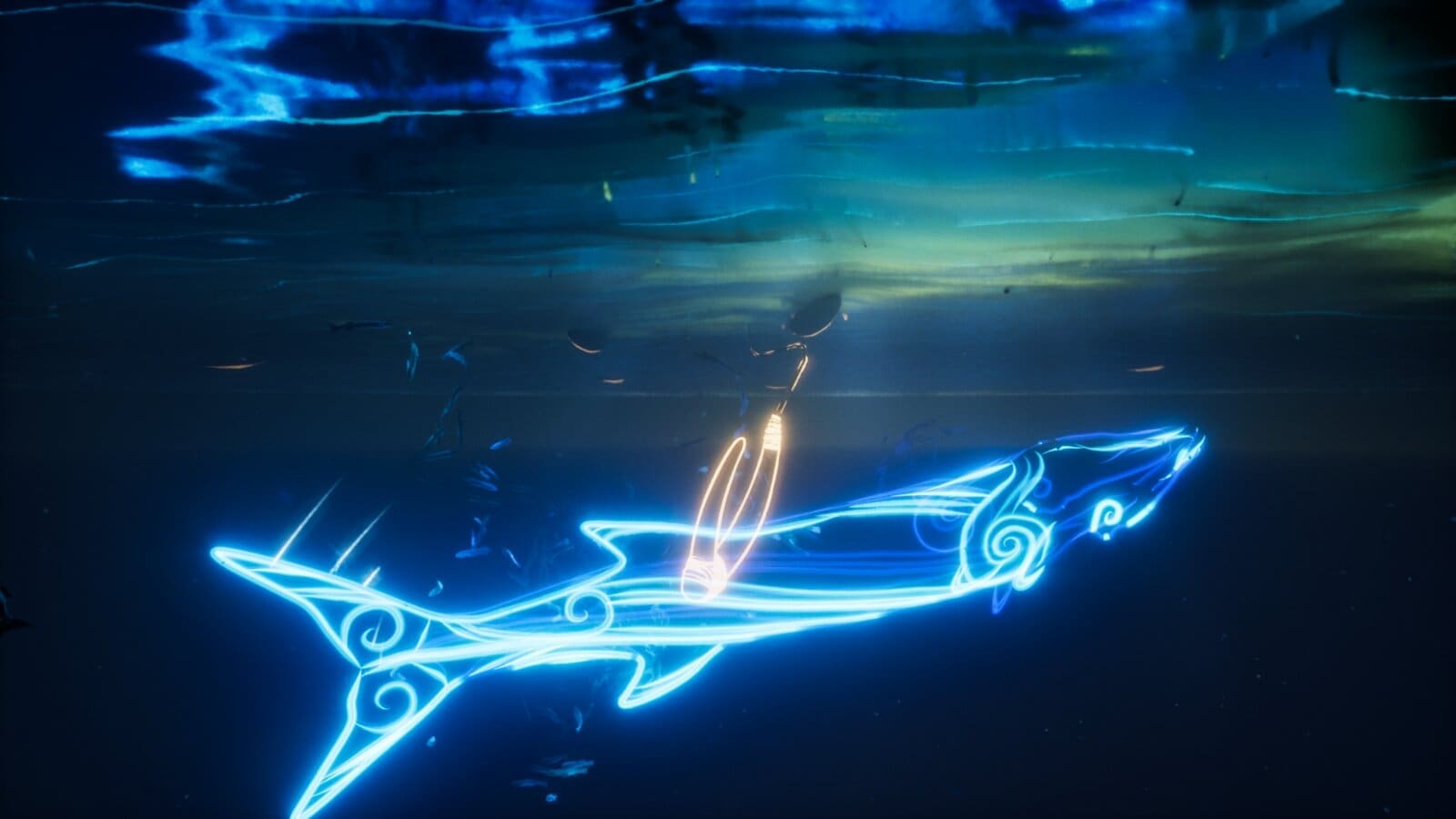
Concept visualisation, July 2025: the waka’s wake as visual language, exploring wraparound projection

THE EXPERIENCE

Guests sit inside the harbour, not in front of it. Projection wraps the floor and walls, and low fog gives the floor the feel of water. Haptic seating carries the emotional turns of the story through the body, in time with the projection, audio and effects.

The show opens with a karanga and karakia in te reo, then travels backwards through time on a waka guided by Matamata: from the working harbour of today, to the arrival of Western ships and early Māori settlement, to the water’s original birdsong, and finally to Matamata, the ancestral being who created and cares for these waters.

The room was shaped around that feeling of being in the water. Concept visualisation explored wrapping the floor and walls rather than using a single screen, with the waka’s wake as the visual language. BAL designed the physical experience and the technology behind it, and worked through the seating and the timing of the show with S1T2, Colour Theory Co and Dunedin City Council as the design developed. Mana whenua shaped the story and approved the visual style along the way.

S1T2 produced the media, with BAL involved in its creation from story and sound through to how it looks on the floor. Because the experience only works in the room, much of the review happened there: the content was seen live on site, the sound was finished in the space, and BAL commissioned the projection, playback and show control systems so that picture, audio and effects run as one show.

Promotional film courtesy of Toitū Otago Settlers Museum

THE CHAPTERS, IN PRODUCTION

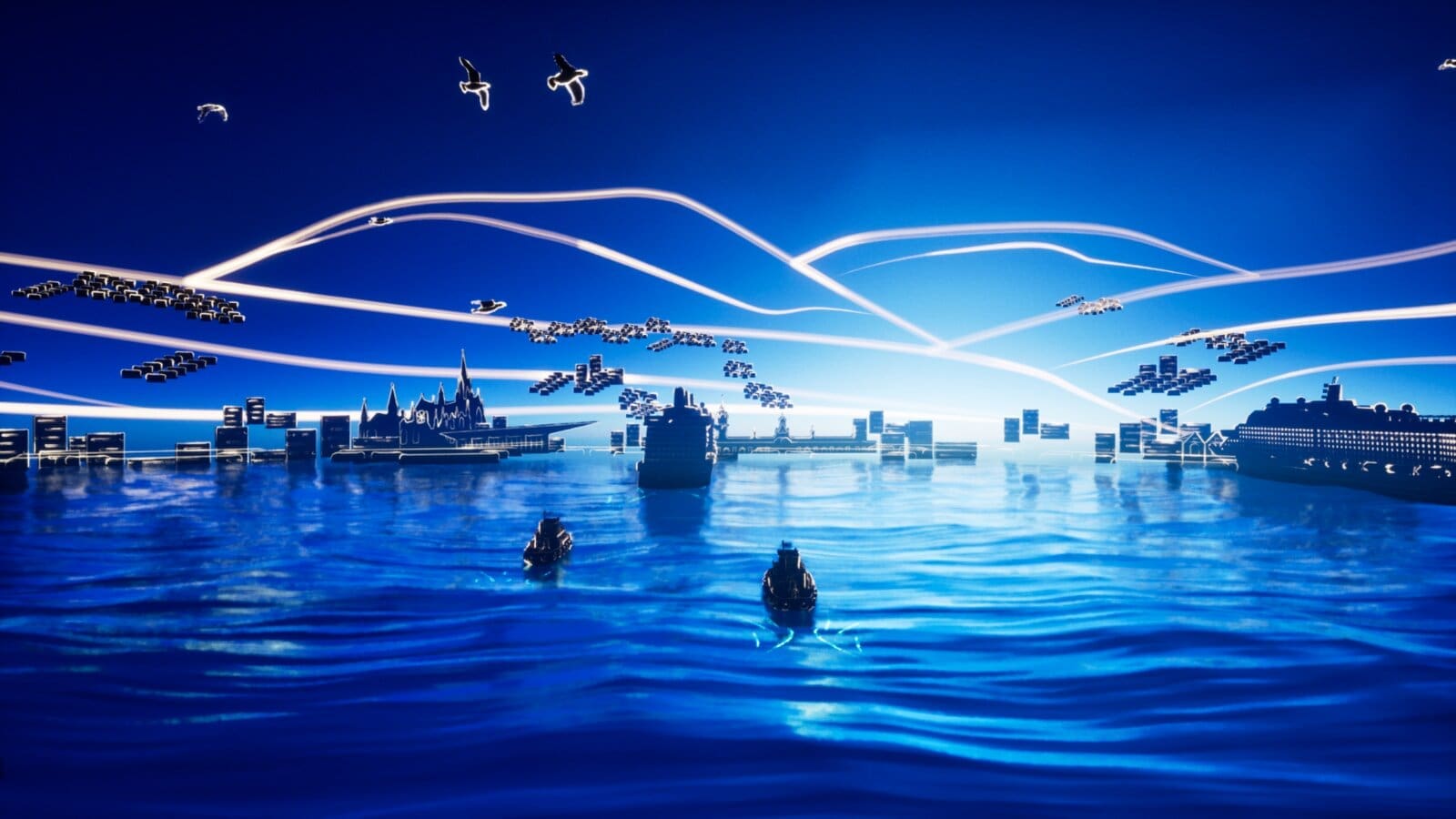
Today: the working harbour

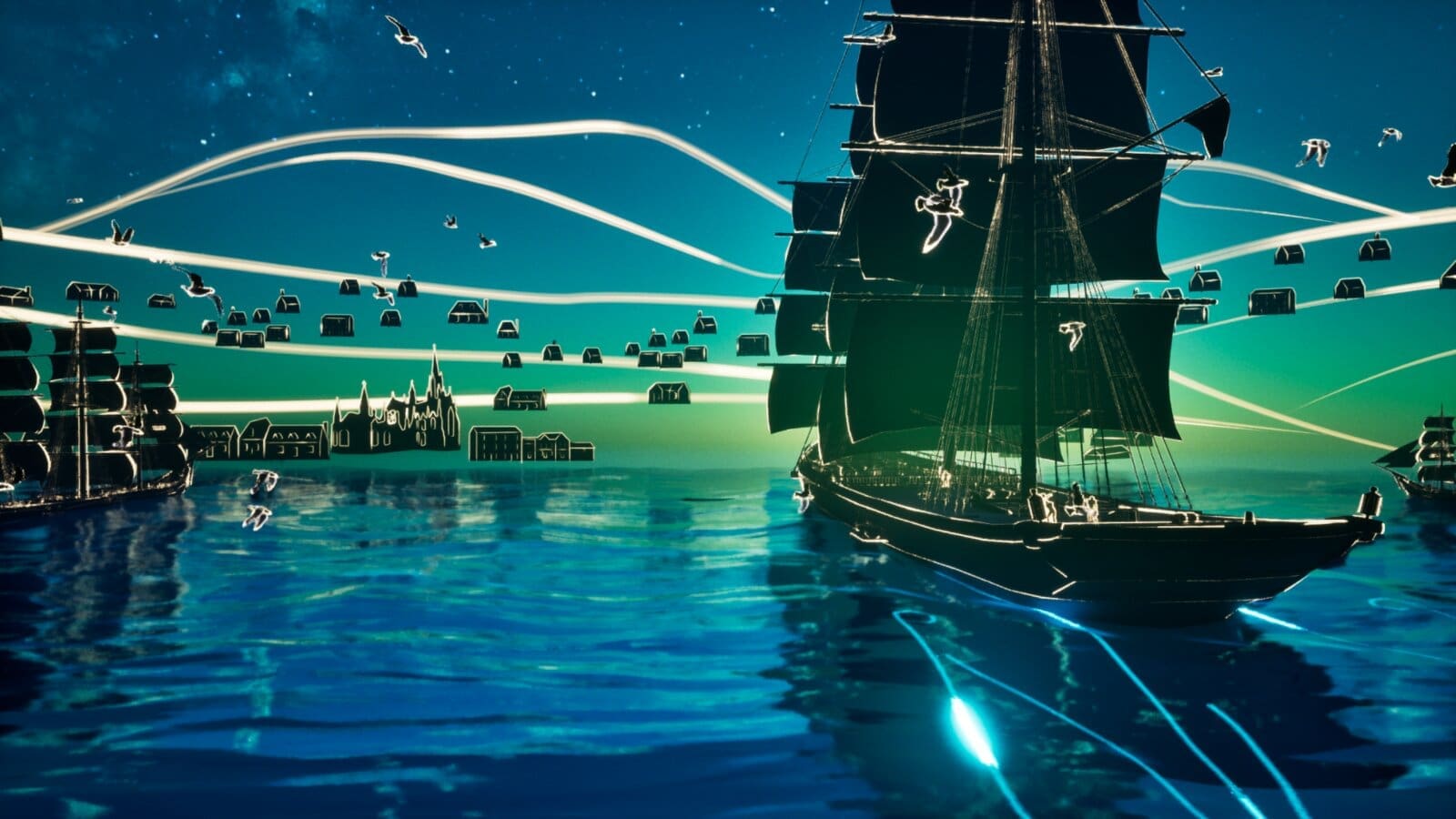
Western arrival: the tall ships reach the harbour

Western arrival, seen live on site

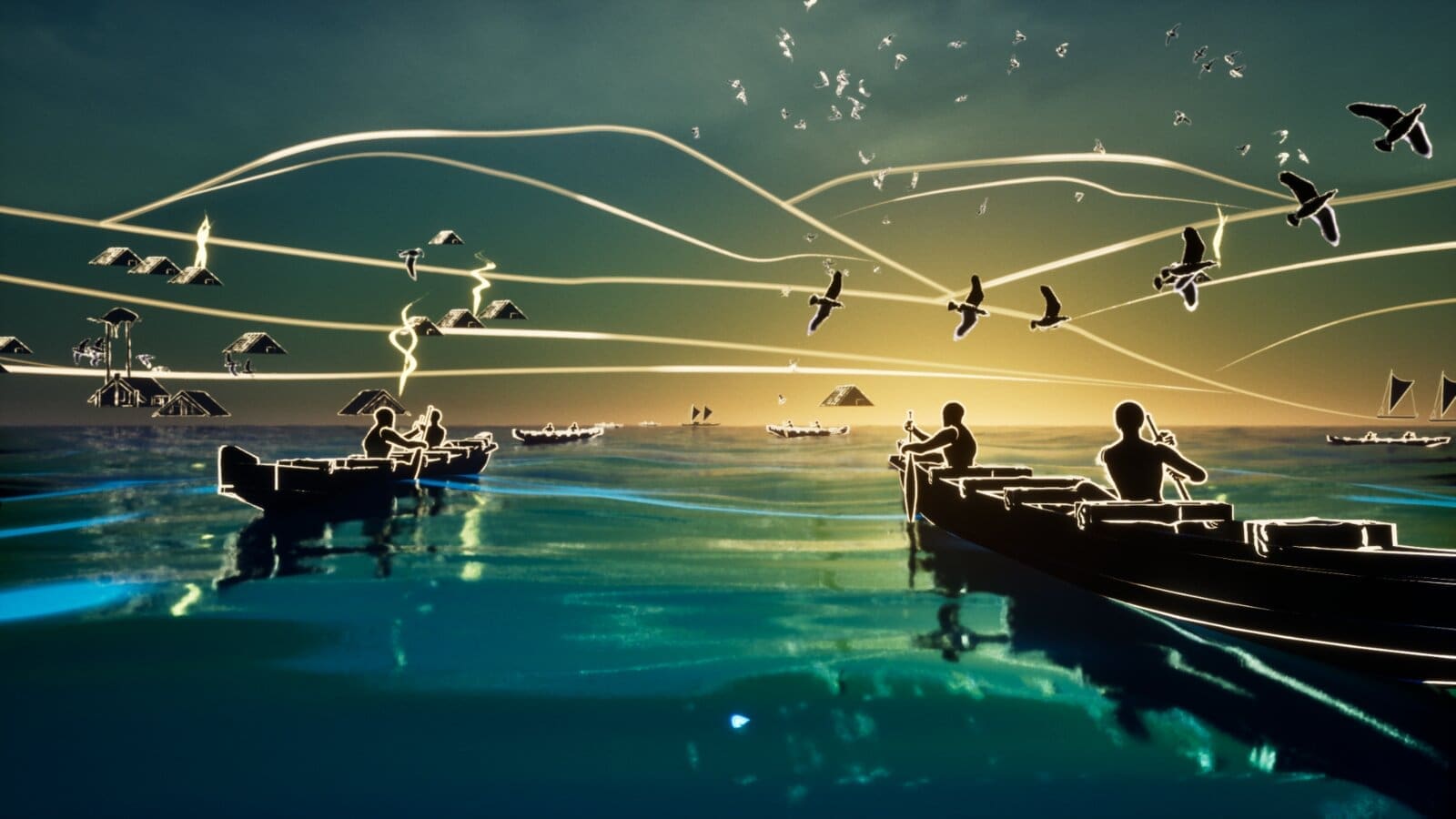
Early Māori settlement

The water’s original bird songs

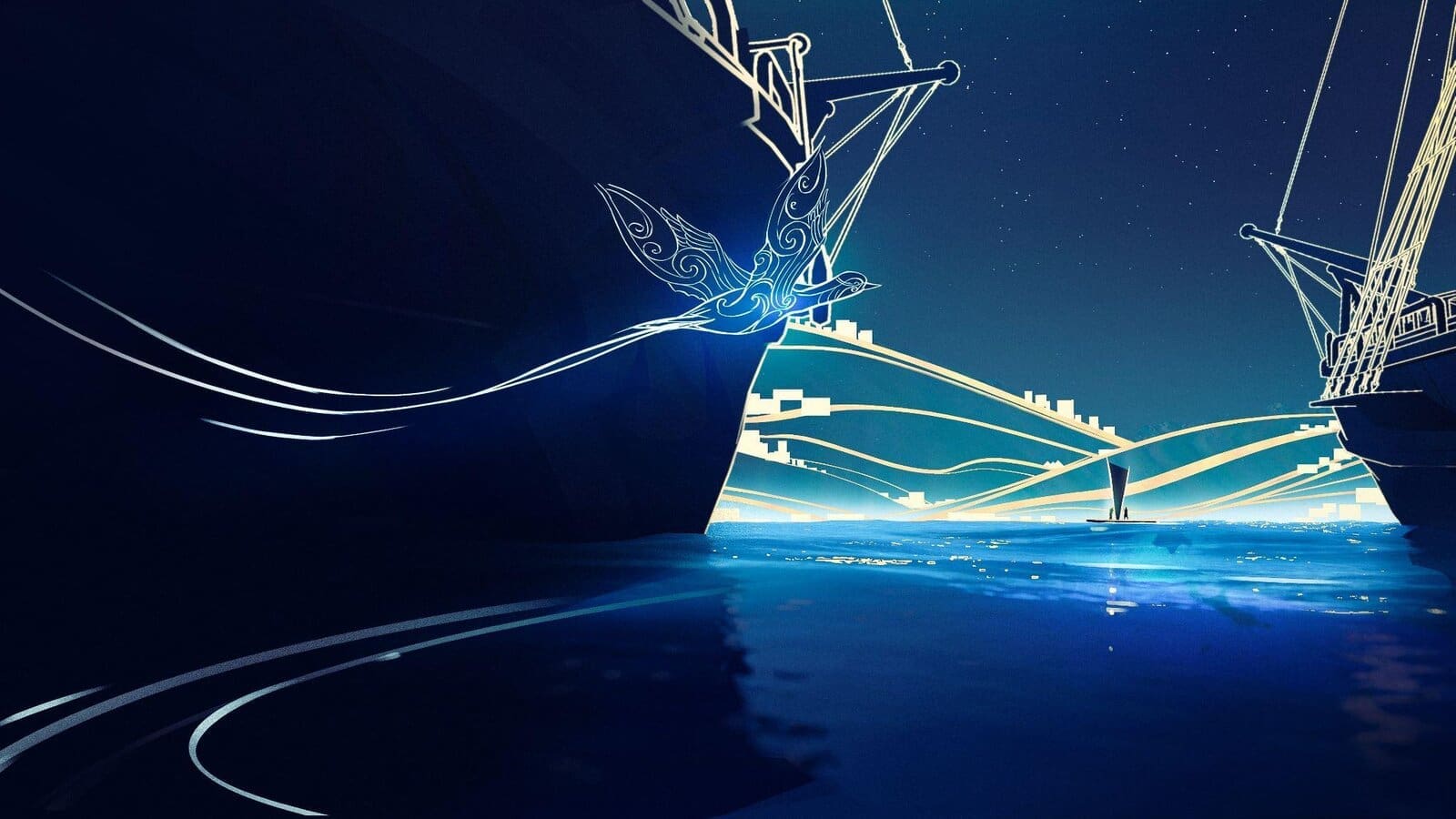
Matamata, who shaped the waters of Te Awa Ōtākou
CO-CREATED WITH MANA WHENUA

Mana whenua, Kāi Tahu, holding customary authority over the harbour and its history, were engaged directly by Dunedin City Council throughout, with Aukaha working with and interfacing with mana whenua on the project’s behalf. Ahead of any content being written, the team spent three days with mana whenua and Dunedin City Council visiting sites of significance around the harbour by both boat and on foot, hearing the stories directly from the people who hold them. From there mana whenua stayed embedded through development: shaping the narrative structure, approving the visual and creative style, providing authentic audio recordings used throughout the experience, and giving formal sign-off at each stage before the team moved forward.

The brief was set within Te Taki Haruru, Dunedin City Council’s own Māori strategic framework, whose vision, “Kāika Ōtepoti, Kāika Oraka: a thriving home, a thriving village,” guided the project from first principles rather than as a late-stage compliance check.

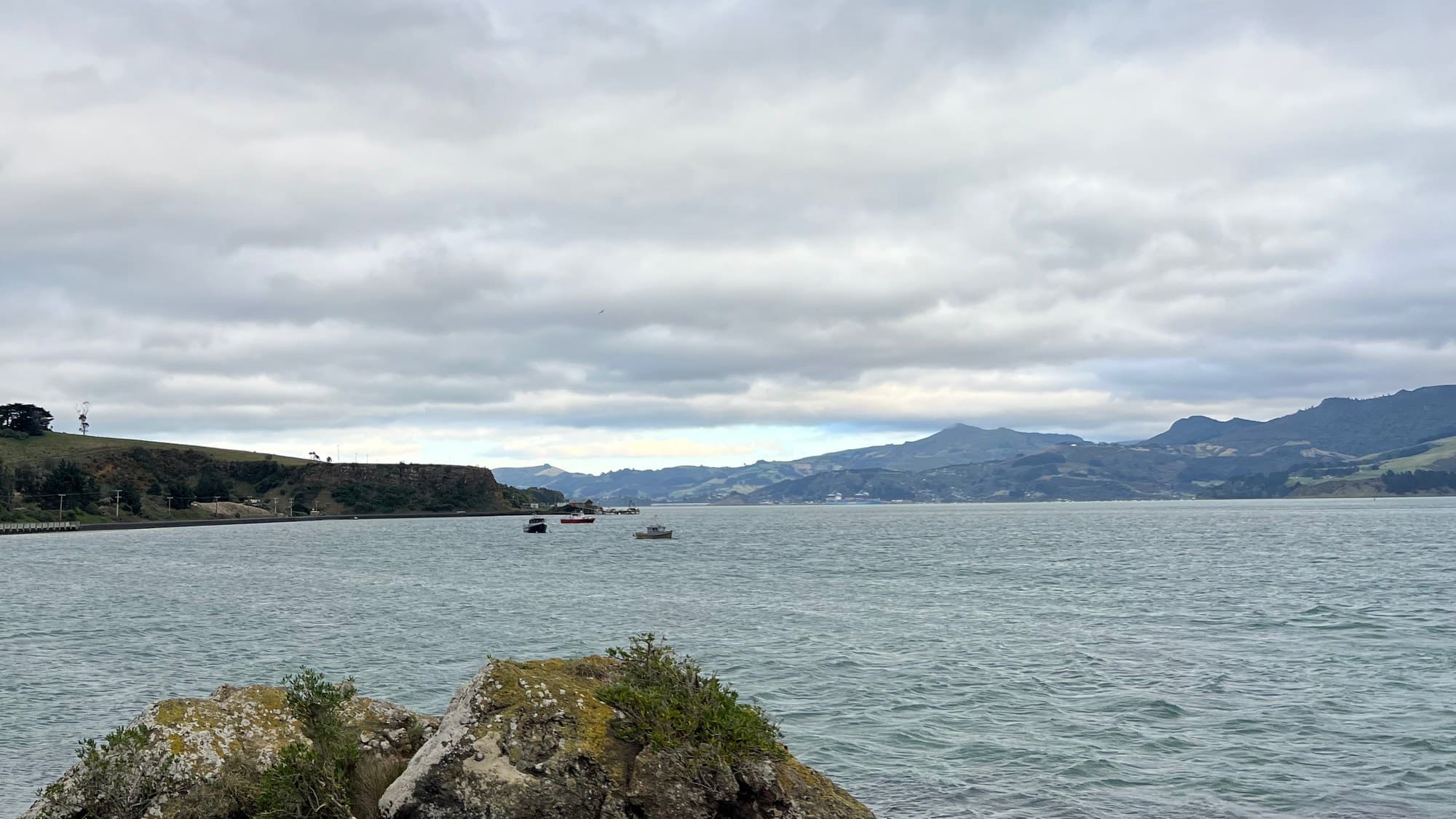
Dunedin Harbour seen from the water, with small moored boats and the peninsula beyond

Looking across the harbour from Wellers Rock during the site visit

Two people walking a grass track at Orokonui Ecosanctuary during the site visit

On the site visit at Orokonui Ecosanctuary with mana whenua and Dunedin City Council

A lone tī kōuka (cabbage tree) on a ridgeline above Otago Harbour at dawn, with a project team member photographing the view

A tī kōuka on the ridgeline above the harbour, traditionally used as a landmark above the fog

The carved wharenui Tamatea, visited with mana whenua during development

On site at Ōtākou Marae with mana whenua

TECHNOLOGY

Five Panasonic laser projectors wrap the floor and walls, and ultra-short-throw lenses on the wall projection mean guests never shadow the walls as they move through the room.

Dataton Watchout drives playback and keeps the show clock. At set points on its timeline it signals Medialon Showmaster, which triggers the fog, haptics and other effects, so projection, audio and effects stay in step from start to finish.

BAL designed the physical experience and the technology behind it, from projection and playback to show control, so that what guests see, hear and feel arrives together.

“Te Awa is visually and technically sophisticated without allowing the technology to overwhelm the stories it has been designed to tell.”

Cam McCracken, Director, Toitū Otago Settlers Museum

RESULTS

Te Awa opened to the public on 28 August 2026. It began as a single wall-mounted projection and grew into an immersive harbour journey, delivered as one team across three studios and the council.

Expanding the canvas

The concept work explored projecting onto the floor and walls rather than a single screen. The council backed the idea, and it was delivered within the existing hardware budget.

Co-created with mana whenua

Kāi Tahu mana whenua shaped the narrative, approved the visual style, provided authentic audio and signed off each stage before the team moved forward.

Blessed at its opening

A blessing ceremony marked the opening, and the experience has been well received by both Dunedin City Council and mana whenua.

“Their ability to bring together storytelling, imagery, sound and immersive technology was central to achieving the quality of the finished work.”

“We are thrilled with the finished experience and with the creativity, expertise and commitment Blue Alchemy Labs and S1T2 brought to its development.”

Cam McCracken, Director, Toitū Otago Settlers Museum

Te Awa: River of Many Journeys exhibition poster. Three visitors sit on benches facing a glowing blue projection of a carved pattern. Text reads: Immerse yourself in Te Awa Ōtākou. Let Matamata guide you across the ancestral waters to the beginnings of our harbour.
Te Awa: River of Many Journeys key art. Visitors sit on a bench watching a projected harbour scene with a tall ship and green hills.

CREDITS

CLIENT

Dunedin City Council

LOCATION

Toitū Otago Settlers Museum, Dunedin, New Zealand

PARTNERS

S1T2: content development and media production
Colour Theory Co: content development

CULTURAL PARTNER

Aukaha, engaged by Dunedin City Council: mana whenua liaison

CO-CREATORS

Kāi Tahu mana whenua, from concept stage

BAL SCOPE

Audio Visual, Design, Executive Production, Media Servers, Project Management, SFX, Show Control

Privacy Settings
We use cookies to enhance your experience while using our website. If you are using our Services via a browser you can restrict, block or remove cookies through your web browser settings. We also use content and scripts from third parties that may use tracking technologies. You can selectively provide your consent below to allow such third party embeds. For complete information about the cookies we use, data we collect and how we process them, please check our Privacy Policy
Youtube
Consent to display content from - Youtube
Vimeo
Consent to display content from - Vimeo
Google Maps
Consent to display content from - Google